


Why Treatment Matters
People with bleeding disorders face serious health risks from everyday bumps and injuries. Without treatment, internal bleeding can cause:
Chronic pain
Permanent joint damage
Disability or even death
Access to treatment allows children and adults to attend school, work, and fully participate in daily life. These therapies are not optional — they are lifesaving.
Why Access Matters
Bleeding disorder treatments can cost hundreds of thousands of dollars per year.
Consistent access reduces emergency room visits, lowers long-term disability, and saves overall healthcare costs.
Insurance coverage and patient assistance programs are essential to ensure Texans receive the care they need.
Types of Treatment
Clotting Factor Replacement Therapy
Replaces the missing protein that helps blood clot.
Can be given on-demand (to stop a bleed) or prophylactically (to prevent bleeds before they happen).
Non-Factor Therapies
Newer medications, such as emicizumab (Hemlibra), help rebalance clotting.
Especially critical for patients who develop “inhibitors,” which make standard treatments less effective.
Gene Therapy (Emerging Option)
Research is advancing toward one-time treatments that may reduce or eliminate the need for ongoing infusions.
Not yet widely available, but represents real hope for the future.

How Treatment is Given
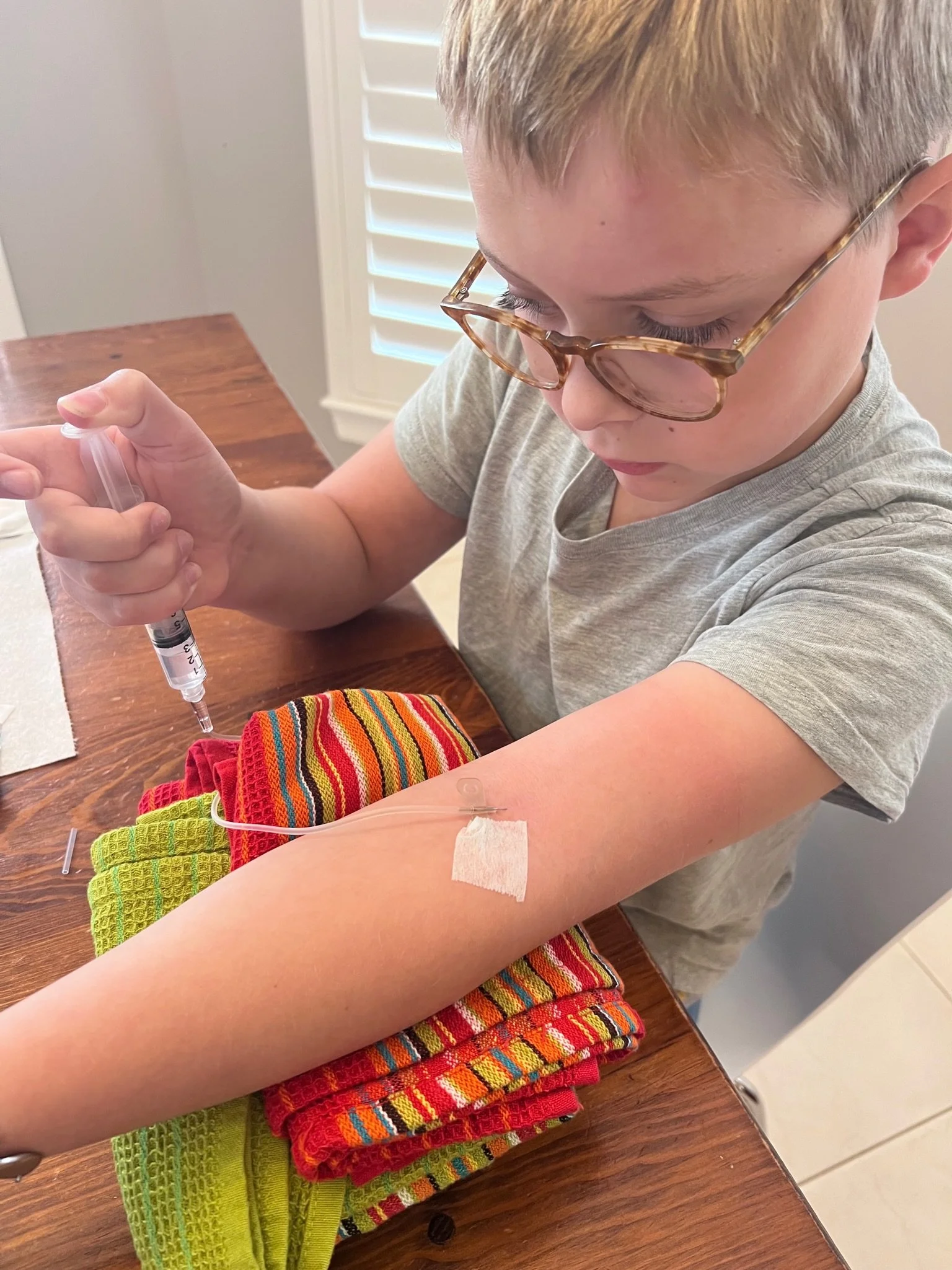
Most treatments are delivered through intravenous infusions, often administered at home.
Families and patients receive training to safely manage care.
Hemophilia Treatment Centers (HTCs) provide comprehensive teams — physicians, nurses, physical therapists, and social workers — who guide care and prevention.

Texas Resources
Care in our state is coordinated through specialized Hemophilia Treatment Centers (HTCs).
The Lone Star Bleeding Disorders Foundation and Texas Central Bleeding Disorders works alongside HTCs, families, and partners to ensure patients have access to treatment and support.
Additional resources: