


AUSTIN DAYS TALKING POINTS
General Awareness to Legislators
❋ Ask if member/staff is familiar with hemophilia, von Willebrand Disease, and other BDsHemophilia and other related bleeding disorders are rare, genetic conditions that patients will have over their entire lifetime.
Estimated 37,500 in US, over 2,500 in Texas living with hemophilia.
About 2% of the population has von Willebrand Disease, many undiagnosed.
There are no cures, but effective treatments available to prevent and control bleeding.
Treatment is extremely expensive, often over $500,000 a year without complications.
Comprehensive care at Hemophilia Treatment Centers is important because with proper care, patients can be successful, healthy, contributing citizens.
There are 149 Hemophilia Treatment Centers in the country, 7 in Texas.
❋ We want to ensure all patients with bleeding disorders have access to care that includesAn HTC for the diagnosis and treatment of bleeding disorders.
The full-range of FDA-approved clotting factor therapies.
A range of specialty pharmacy providers who are knowledgeable about bleeding disorders and can provide ongoing support and education.
❋ When individuals aren’t able to adhere to treatment plans, they experience bleeds that can result in permanent damage to joints, life altering brain hemorrhages, and sometimes death. This could result in patients being placed on disability and they may no longer have viable employment opportunities. 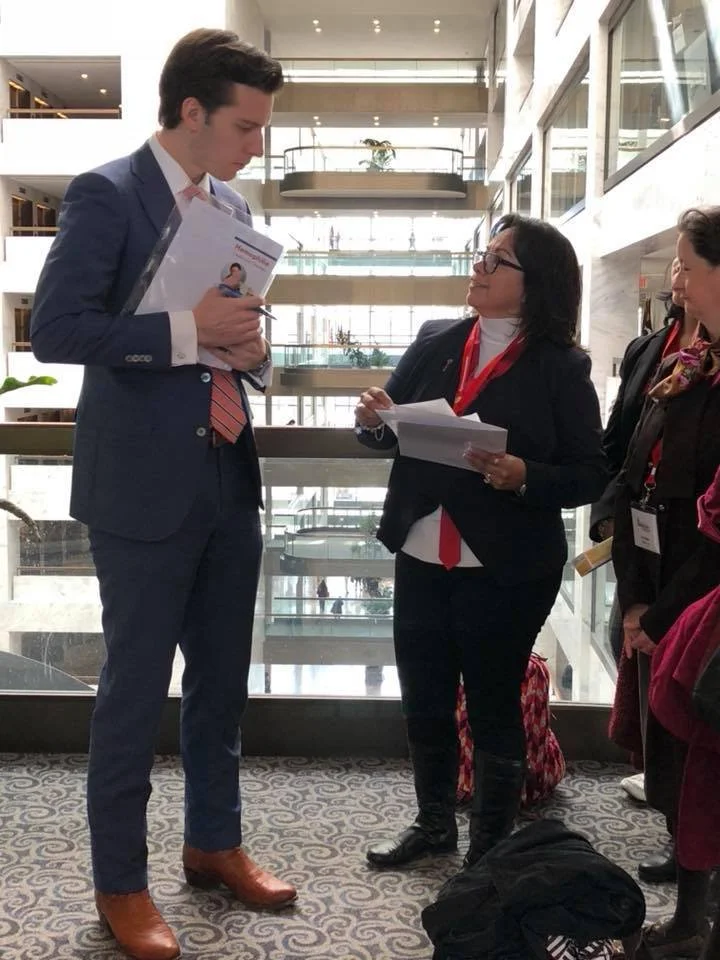

March is Bleeding Disorders Awareness Month in Texas
In 2016, the National Hemophilia Foundation (NHF) began an initiative to have March declared Bleeding Disorders Awareness Month on the National Health Observances calendar. This was in response to the declaration made in 1986 by President Ronald Reagan. In February of 2016, advocates from across the nation joined NHF in asking legislators to take the “Red Tie Challenge” in celebration of this declaration. Many legislators took pictures, made floor speeches, and posted statements on their social media account wearing their red ties. The campaign spread across the country, and 65 million impressions were made on social media. Four states issued a Bleeding Disorders
Awareness Resolution, including Texas in 2017. In 2019, Bleeding Disorders Awareness Month was declared in perpetuity in Texas, thanks to the efforts of Representative Dr. Tom Oliverson and Senator Eddie Lucio, Jr.
Ask your legislator to support the Bleeding Disorders community in March by wearing a red tie or scarf/bandana. They can post pictures on social media to show their support, and use the hashtags #bleedingdisorders #lonestarbdf #texcen #redtiecampaign, and also tag our organizations.
Issues Facing Patients with Bleeding Disorders in Texas
Copay Maximizers hurt patients with high-cost treatments like bleeding disorders because patients are unable to pay for and access those treatments. Many patients are forced to go without, causing more costly, long-term complications. Insurance companies should not be allowed to implement these dangerous practices.
The Texas Bleeding Disorders Coalition is in favor of creating a Rare Disease Advisory Council, which will provide a unified voice for rare disease patients, and a forum to make recommendations to elected officials and other state leaders about pressing healthcare issues. From providing information on the provider-patient relationship, to identifying best practices throughout the nation, the Council will coordinate with lawmakers to improve public policy. Varied stakeholders, patients, doctors, hospitals, patient-based organizations, health officials, and researchers- are all represented on a Council. It will serve as an educational resource about the ways in which rare disease patients interact with our health care system.
Women with bleeding disorders are often undiagnosed, or without access to proper treatment options. Many women have unnecessary hysterectomies because of their heavy bleeding, and lack of knowledge about bleeding disorders in many healthcare settings. Young girls go years suffering from anemia and other issues because of their bleeding.
Having a bleeding disorder causes mental stress in families, including anxiety and depression, as well as an overuse of pain medication/opioids. In some situations, residential mental health care is needed. Patients with bleeding disorders should not be denied this care because of their bleeding disorder treatment. Education of facilities is key to understanding how to manage a patient with a bleeding disorder, so patients are not left without care in fragile mental states.